What is a sliding window?
Sleek? Space saving? Cost saving? Meet the sliding window! It might be one of the most overlooked windows out there, but it really shouldn’t be. We're here to tell you why.
When you’re looking for a sleek look that’s also space saving, don’t overlook this window. It’s often used in homes that might feature casement or awning windows, rather than more traditional styles, like single-hung or double-hung windows. Find out its benefits, where it works best, and everything else you need to know if you’re considering this window for your home.
What is a sliding window?
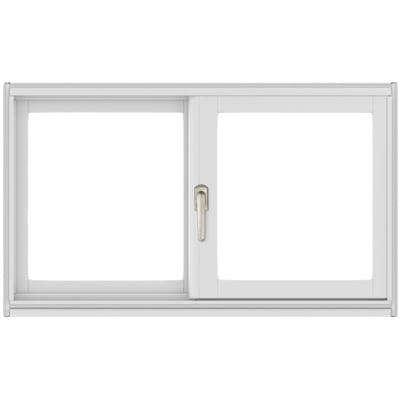
Imagine a double-hung window flipped 90-degrees and you’ll have a pretty good idea of what a sliding window looks like. Typically, it includes two sashes that are set next to each other horizontally. It can slide right or left to open — you can decide which sash will open when you order your window. Like all our windows, it’s available with an insect screen. However, without an insect screen, it offers a large clear opening. This is one of its unique qualities.
We call our sliding windows, gliding windows and offer them through our 100 Series, 200 Series, 400 Series, and E-Series product lines.
Talk like a pro: What is a sash?
A sash is the glass and framing around it. A gliding window includes two sashes side-by-side while a double-hung window includes two sashes stacked vertically. In contrast, casement and awning windows include only a single sash.
What are the advantages of a sliding window?
The horizontal orientation and opening style of a sliding window means it offers some unique advantages, including:
- It saves space because it opens just like a sliding glass patio door. The moving sash slides along a track to open, as opposed to opening outward like a casement or awning window.
- It fills a wide opening with its horizontal orientation and the ability to add a third sash, a single gliding window can fill a space that might otherwise be filled by multiple windows joined together. This means there’s potential cost savings for you.
- It's easier to maintain due to its simpler design. It has fewer moving parts and pieces, which means fewer things will need care and upkeep over time.
- It’s sleek looking with its sliding operation, large expanse of glass, and discreet hardware, which makes it a great choice in a modern home.
Where do sliding windows work best?
Here’s where the shape and opening style of a sliding window can really be leveraged:
- Near outdoor living spaces or walkways: Next to a balcony, deck, patio, or a narrow walkway, it’s better to avoid a window that opens outward, like a casement window does. Instead, a sliding window is a great solution because of its flush opening.
- In a basement or a space with low ceilings: The horizontal orientation of a sliding window makes it a great fit where you have limited above-ground space or in a home with low ceilings.
- In a modern home: Certain architectural styles are more low-slung, like Mid-Century Modern and Ranch homes. In these homes, the slider’s horizontal orientation works particularly well. A bank of sliders can also be installed to create a ribbon window effect — a signature of modern design.
- In a living room: The width of a sliding window means it can take the place of the most popular living room window combinations. Instead of a picture window joined together with flanking double-hungs — you could select a single three-sash gliding window.
- In a kitchen: If you’re reaching over a sink or counter to open the window, you want to select a window type that’s easy to open. A gliding window slides to the side so it can be easier to open than a vertically oriented single- or double-hung window. Crank-operated casement and awning windows are also good choices in these spots.
How to decide on a sliding window’s operation?
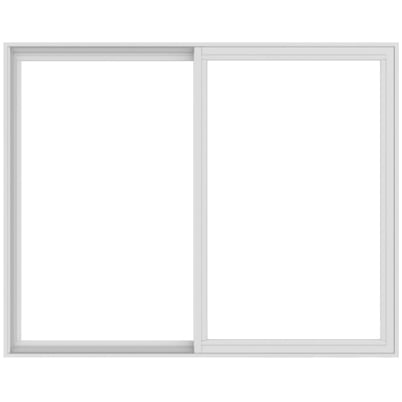
One unique aspect of selecting a sliding window is deciding on its operation. Remember that a sliding window is like a standard, two-panel sliding glass door in that there’s one sash that moves (the “active” sash) and one that doesn’t (the “stationary” sash).
You want to make sure that your window will open in a way that makes sense in the context of your home. In some cases, it might not matter which sash is active. In other cases, a thoughtful choice might make life a lot more seamless.
Let’s say you’re adding one of our gliding windows to a small bathroom. Because of all the permanent fixtures in the space, it might be easier to reach one side of the window than another. Thinking carefully about the ideal direction for your window to open can help you avoid struggling to reach every time you want to let in some fresh air.
With the 100 Series and E-Series product lines, you get to decide how your window will operate — either active-stationary or stationary-active. Here’s where it gets confusing: This is the description from the exterior view. So, an active-stationary window slides to the left when viewed from the outdoors. When you are inside your home, the right-hand sash will slide left to open.
So, although it’s natural for you to think about opening your window from inside your home, you’ll need to reverse that to select your preferred operation. If you’re lost, we understand. It’s confusing. Your pro can help you make the right choice. Don’t have a pro? We can help you find a local contractor who specializes in our windows.
Talk like a pro: What is window handing?
Window handing describes the direction a window opens. As noted above, this description is from the exterior view. So, a left-handed sliding window will be reversed in practice. Meaning when you open the window from inside your house, it will slide right.
This term is useful to know when communicating with a contractor. It's also used to describe a door’s operation, so a good one to know in the case of future home improvement projects.
Looking for a replacement sliding window?
A great option for replacement is available with the 100 Series Gliding Window insert replacement. Insert replacements are windows that can be installed into existing frames that are in good condition — not out of square, no rot, etc. An insert creates minimal disruption allowing you to keep your original frame along with interior and exterior trim, and siding.
Find out more about insert replacement windows or consult a contractor to find out if insert replacement windows are an option in your home.
If you happen to live in a stucco home in the Southwest, there’s a special insert replacement option that you’ll want to know about. Our 100 Series Flush Fin Windows are made to be installed in existing aluminum window frames without disturbing delicate stucco. These units are available in select geographic areas. Ask your contractor about this option.
And don’t worry if an insert won’t work for your home, the kinds of windows used in new construction homes can also be used in a replacement scenario. Again, your contractor will be able to guide you in selecting the best replacement window for your home.
Sliding window FAQs answered
Up next
Types of windows
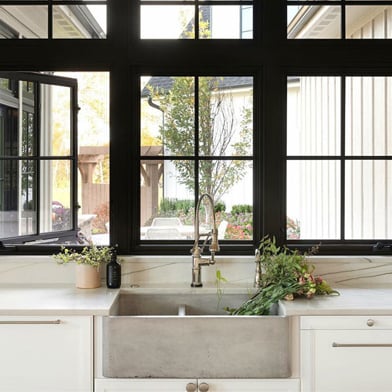
What’s a double-hung window? Casement window? Picture window? We’ll explain all these types of windows and more.

Design tool
See what a window or door will look like with different colors and options.
