What is a casement window?
What is a casement window?
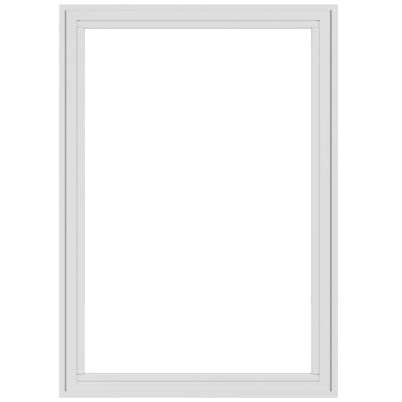
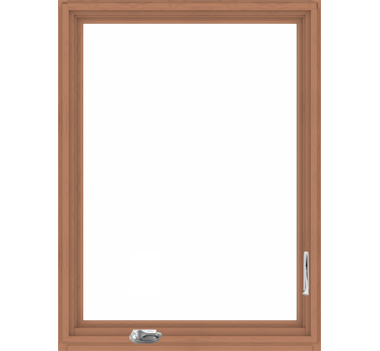
A casement window is vertically oriented with hinges along the side so it opens outward like a door. It’s crank operated and can also be automated to open with the touch of a button. When it’s open, it lets in fresh air from the top to the bottom. When it’s closed, the sash gets pulled into the frame by the locking hardware, making it one of the most energy efficient window types.
It has a clean look, due to its single sash design, so it works well in more modern homes. But it can also be dressed up with grilles or even to imitate the look of a double-hung window where you want the functionality of a casement with the look of a more traditional window. In short, the casement is an ever-adaptable window option.
Where do casement windows work best?
As you’ve no doubt gathered, a casement window will work well in a number of different home styles and in a number of different rooms. Still, there are a few places where its shape and functionality make it a particularly natural fit. Here’s where you might consider using a casement window.
In a modern home
Windows in modern homes are typically made for looking through, rather than looking at — think more glass and less framing around the glass. Casement windows have a single sash, so a simpler design than a double-hung window, which has two sashes. (A sash is the glass and framing around it.) Here are a few options to keep in mind when selecting casement windows for a modern home:
- Dark colors frame your view, like a mat on a painting, and black is not the only option. Dark bronze, for example, is a warmer option that still reads dark.
- Skip the grilles for the clearest view of all. And if you want a bit of the decorative flair a grille can provide, consider a specified equal light grille in a ladder-like pattern.
- Go big! Because the look we’re talking about is all about the glass, consider an extra-large size. For example, you can get an 8-foot tall casement window through the A-Series product line.
In a large window combination
Casement windows can be combined with other windows to create a major statement that’s especially impactful in a gathering space like a living room or dining room. The benefits of a window combination unit include the opportunity to bring in lots of light, frame an expansive view, and create a feature that adds character to your home’s exterior.
Because window combinations often feature picture windows, which don’t open, casement windows bring an important element — fresh air! Here are a couple of ideas about using casements in window combinations:
- In a modern home, a window combination might go from floor to ceiling, feature narrow framing around the glass and no grilles (details described above).
- In a more traditional home, it’s common to have a large picture window with casements on either side. Grilles, white painted wood or a wood stain, and more prominent hardware would help create a classic look.
- A bay window is another absolutely classic window combination that can include casements as the operable side windows. Use the selection tips above to give a bay window a more traditional look, or create a transitional look (blend of classic and contemporary styles) by mixing and matching your selections. For example, select black as your color but then add colonial grilles.
In a kitchen or bathroom
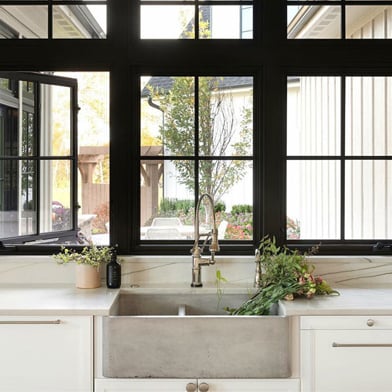
Above a sink, over a counter, or anywhere you must reach to open the window, a casement will be more functional than a hung window. That’s why we love casement windows in kitchens, bathrooms, and more places. Check out the photos below for inspiration.
Are casement windows more energy efficient?
Yes! Casement windows (along with awning windows) are some of our most efficient windows. This is due to their design and their seal. With only a single sash, there are fewer opportunities for air leakage, and their sealing design tightens when the window blows against them. The only window that’s more energy efficient is the one that doesn’t open — the picture window.
To further maximize your casement window’s energy efficiency, consider these selections:
- Triple-pane glass: While dual-pane glass comes standard with our windows, triple-pane glass is also an option. With three panes of glass and two air spaces in between, this is the most insulating glass option. Find it available with our A-Series Casement Window and our E-Series Casement Window.
- Low-emissivity (Low-E) glass coating: All our windows come standard with a low-emissivity (Low-E) coating, which helps reflect heat in a way that maximizes energy efficiency in your climate. And if you select triple-pane glass, there’s the option to combine Low-E coatings for even better efficiency. Find out more about selecting the right coating (or coatings).
What’s the best replacement casement window?
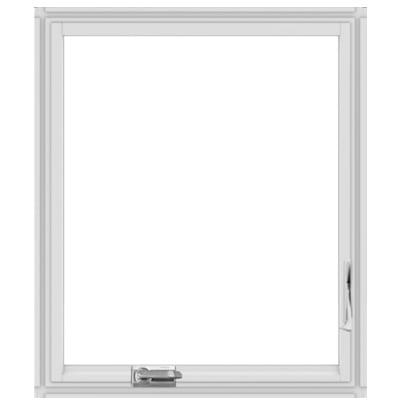
Any of our casement windows could work in a replacement scenario. The best option will depend on factors like your project, the condition of your existing window frames, your location, and more.
Here are a few options that you’ll want to be aware of:
- Insert replacement casement windows are available through our 100 Series product line. An insert window is one that’s installed in an existing frame. Its major advantage is that it can be installed with minimal disruption to trim and siding.
- Flush fin replacement casement windows are available for stucco homes in the Southwest. This replacement option is specifically designed for installing over an existing aluminum window frame with minimal disruption to stucco.
- The types of windows used in new construction homes are available through all our product lines, and they can work in a replacement scenario. You’ll use these anytime an insert won’t work or if you’re expanding the size or shape of your window — to name a few examples.
Remember, your remodeler or contractor will be able to guide you in selecting the best replacement casement windows for your project. And we can help you find a contractor local to your area who has knowledge of our windows.
Casement window FAQs
Up next
Types of windows
What’s a double-hung window? Casement window? Picture window? We’ll explain all these types of windows and more.

Design tool
See what a window or door will look like with different colors and options.
