Pro Projects
A transformative redesign in Seattle
Here’s how CAST architecture created a pristine example of the Pacific Northwest vernacular, opening up a home to its idyllic surroundings while also providing more space for a growing family.
It was not an easy renovation. Even if it hadn’t started at the beginning of COVID, the home is on Lake Washington in Seattle, making it subject to a number of land use restrictions. “It would have been much easier to tear down and start from scratch,” said lead architect Tim Hammer, AIA. Doing so, however, would have meant losing the grandfathered-in setback and a lot of living space.
So, Hammer and his team at CAST architecture got creative with a plan that overcame the barriers and resulted in a design that fits the family’s lifestyle and taste while also making the most of their home’s stunning surroundings.
Creating space for 21st century living
When the owners approached CAST, they had been living in their home for several years and were finding it increasingly lacking in accommodating their family’s changing needs and hobbies. The existing home had a compartmentalized layout and a gable roof that cut off views of the lake and mountains beyond. To make the updates needed while complying with land use restrictions, CAST created a design that fit in the home’s original footprint but added a second volume and a third floor. The new space includes a yoga studio and office for the wife, a music room for the husband, and a second more casual living room for the kids that’s complete with a kitchenette and a bonus space that one child has adopted as her art studio.
Designing for the Northwest aesthetic
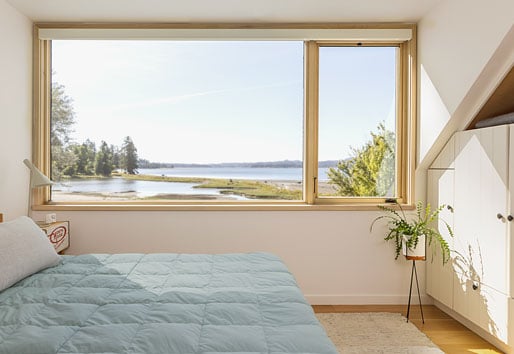
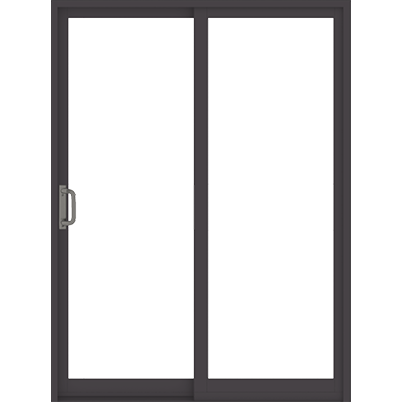
Of course, needs were only half of the equation. “The goal was to design a home that would be transformative programmatically and stylistically,” Hammer said. The homeowners wanted a place that "embodied Northwest modern architectural aesthetics.” CAST is deeply rooted in the local vernacular and therefore was well positioned to create the right design. To do it, they focused on glazing that would both frame the natural surroundings and counter the overcast weather. E-Series windows and gliding patio doors provided the narrow sight lines, mulling options, and large sizes needed to suit the design.
Making the most of a stunning locale
Tim Hammer, AIA
Bringing in the light
And while the lake side is the main event, the street side wasn’t forgotten either. Adding glazing there was key to the daylighting scheme but required careful planning to preserve privacy. Higher placement and selective use of satin etch glass proved good solutions to that end. The stair also provided a major opportunity to bring light into three floors through a monumental window and a skylight above surrounded by internal windows. Although this lightwell was key to the daylighting scheme, it added a complication due to its orientation toward the garage. Complying with land use restrictions meant the garage had to stay in its original location, so Hammer and the team designed an elegant solution: a green roof. Native plantings now enliven the garage roof creating a beautiful focal point that also roots the home deeper in its region.
Careful planning, creative problem solving, and a deep understanding of the area resulted in a home that perfectly suits its owners and “captures the essence of 21st century Northwestern life,” as Hammer put it.
Meet Tim
Tim Hammer has worked on a spectrum of residential, multifamily, and mixed-use projects. He has a reputation for listening to and addressing his clients’ needs and is noted for his ability to distill a complex matrix of requirements, ideas, and desires into simple, elegant building solutions. His appreciation of craftsmanship and nature informs his designs and helps his work respond to each site's unique conditions and surrounding context.
As a principal at CAST, Tim fosters a culture of thoughtful, collaborative design that draws on the collective strengths of the entire team in order to deliver design excellence. His award-winning projects have been featured in numerous regional and national publications. He is a registered architect in the State of Washington. He received a Bachelor of Art and Design from Montana State University and a Master of Architecture from the University of Washington.
More to explore
Options & accessories
Glass options